

Summer racquets programs at seasonal clubs often fall into predictable patterns. Over time, even well-intentioned programming can begin to feel repetitive as the same events, formats, and schedules are repeated year after year. In other cases, the challenge arises during leadership transitions when a new professional steps into a club with long-standing traditions and established member expectations.
Every seasonal club operates with its own rhythm. Some concentrate activity in the early morning hours before the heat sets in. Others see strong junior participation tied to camp programming. Some memberships skew older while others are becoming increasingly multi-generational. The energy, participation patterns, and daily cadence of each club vary significantly. Programming strategies should reflect those differences rather than relying on a one-size-fits-all approach.
Staffing structures can also vary widely. One club may have a racquets professional who has served the membership for many years and understands the nuances of the community. Another may be led by a first-time director or a professional new to the seasonal club environment. Neither scenario is inherently problematic. However, both benefit from clearly defined structure, operational standards, and thoughtful oversight.
For many General Managers, the core challenge becomes sustaining energy and innovation within a membership that is also deeply connected to tradition.
The Importance of a Seasonal Programming Framework
Successful seasonal clubs rarely operate without structure. Their racquets programming is built around a clear framework that balances tradition with innovation.
That framework typically includes:
- Legacy events members look forward to each season
- Technology-supported formats that improve organization and participation
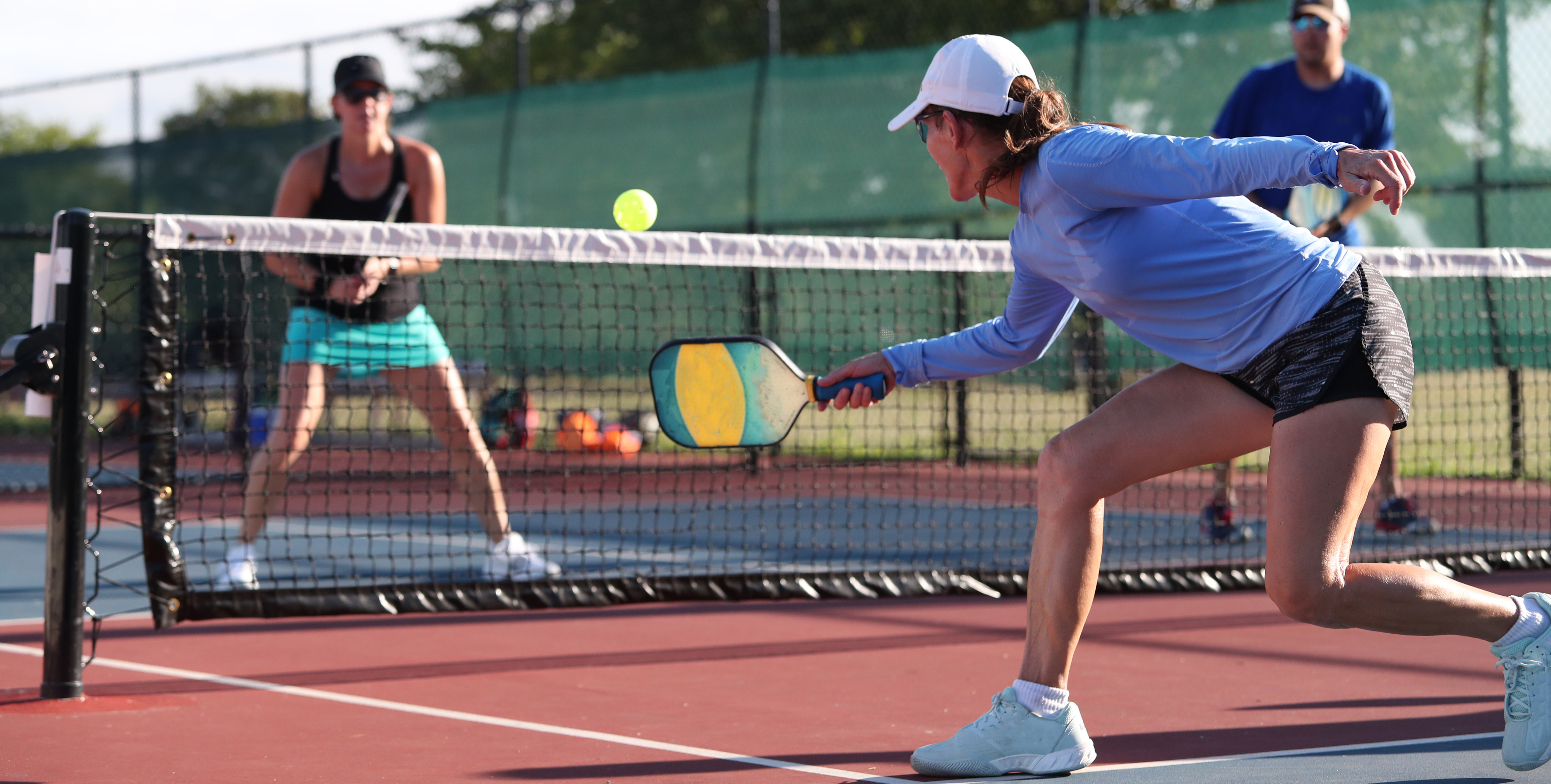
- Structured pickleball programming including managed open play and drill-based formats
- Cross-sport activation across tennis, pickleball, padel, platform tennis, and squash where applicable
- Defined court maintenance standards
- An integrated retail approach tied directly to programming
Without this structure, racquets programming often becomes reactive. Events are scheduled week-to-week rather than as part of a cohesive seasonal strategy.
Court Maintenance Reflects Club Standards
Court conditions play a significant role in the overall racquets experience. At many seasonal clubs, court maintenance responsibilities fall to teaching professionals who may have limited experience managing clay surfaces.
Improper morning preparation can lead to dead material buildup, ridge formation, and long-term surface deterioration. Perimeter areas and fencing can also become overlooked, allowing moss, algae, and weeds to develop.
Court presentation is not simply aesthetic. It communicates standards and reinforces the quality of the club experience.
The Modern Pro Shop Model
Retail within racquets departments is evolving. Members today are accustomed to purchasing equipment and apparel online, making it difficult for traditional pro shop models to compete directly with large digital retailers.
Forward-thinking clubs are shifting toward hybrid retail strategies that include:
- Curated inventory aligned with member preferences
- Online ordering integration supported by limited on-site inventory
- Event-driven retail opportunities such as demo days and fitting events
- Pre-order seasonal merchandise packages
In this model, retail supports programming and member engagement rather than operating as a stand-alone revenue center.
Racquets as a Lifestyle Platform
Across the club industry, racquets programming is evolving beyond traditional instruction-based models. Modern memberships include a broad mix of lifestyles and schedules.
These often include:
- Retired members with daytime availability
- Professionals commuting to offices part-time
- Hybrid and remote workers with midday flexibility
- Families participating through junior and camp programs
Effective racquets departments respond to these patterns with programming that includes midday leagues, skill-based group play, targeted clinics, and opportunities that encourage participation across multiple racquet sports.
Increasingly, racquets serves as a lifestyle platform within the club rather than simply a lesson-based service.
The Expanding Role of the Racquets Director
The responsibilities of a modern Racquets Director have expanded well beyond on-court instruction. Today’s leaders must function as department managers responsible for both programming and operations.
Key responsibilities often include:
- Managing seasonal and part-time staff
- Overseeing junior development pathways
- Designing structured programming calendars
- Coordinating event promotion and member communication
- Managing court utilization and maintenance standards
- Evaluating member skill levels and placement
- Scheduling courts, clinics, lessons, and events
High playing ability alone is no longer sufficient preparation for this role. Leadership, operational oversight, and program design are now equally important.
The Manager’s Oversight Role
Many club managers come from backgrounds in golf operations or food and beverage. As a result, racquets departments are often entrusted to operate independently under the leadership of the Racquets Director.
In many cases this model works well. However, challenges can emerge when:
- Lesson revenue becomes the primary focus of the department
- Programming stagnates and fails to evolve
- New members are not integrated effectively
- Court standards begin to decline
- Directors lack experience operating within seasonal club environments
Without a clear seasonal framework, managers may lack the structure necessary to evaluate racquets department performance effectively.
Technology as an Operational Tool
Club technology platforms remain underutilized in many racquets programs. Most systems provide capabilities that can significantly improve organization and member engagement.
These typically include:
- Online lesson reservations
- Structured open play registration
- Event registration and promotion
- Revenue reporting and participation analytics
- Push notifications and targeted messaging
- Weather and court availability alerts
- Member activity tracking and participation data
When used effectively, technology improves operational efficiency while strengthening member communication.
A Strategic Approach to Racquets Programming
Highly successful racquets programs do not evolve by accident. They are structured, measured, refreshed annually, and supported by clearly defined standards. The goal is not to replace tradition. The goal is to protect it while modernizing the surrounding experience to meet evolving member expectations. When a racquets program begins to feel overly comfortable, it may be time for a strategic review. Stability is valuable, but comfort alone should never replace thoughtful planning.